
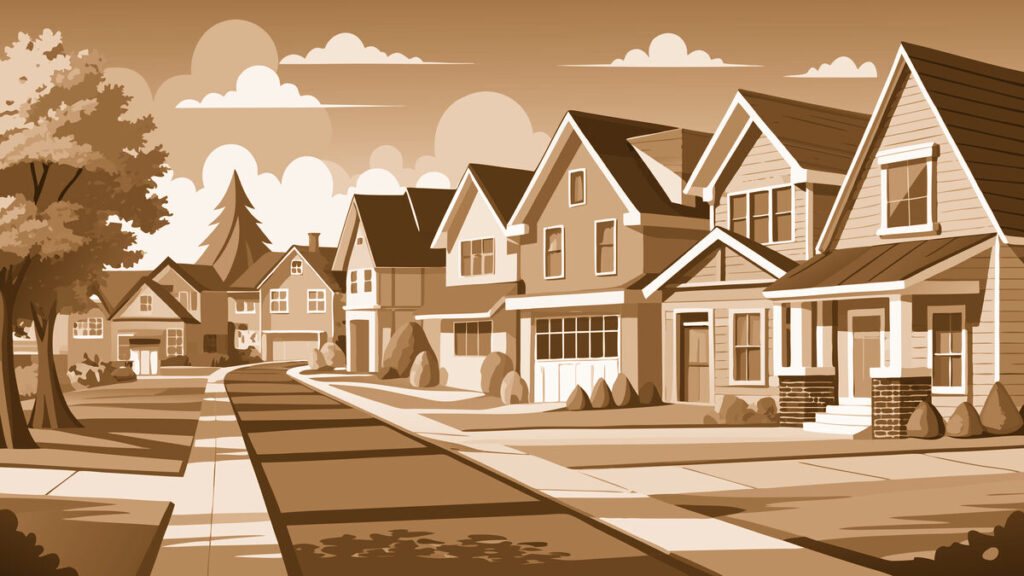
Nestled in central Albany, bordered in part by Manning Boulevard, Western Avenue, and New Scotland Avenue, the Melrose neighborhood is a quiet gem with a rich, colorful history. As someone lucky enough to have spent years calling these shady streets home, I’m always delighted to share the story of Melrose—a neighborhood where history lives on every corner and neighbors still greet each other by name.
From Pastures to Porches: The Origins of Melrose
Long before the stately homes and tree-lined avenues graced this part of town, the land that would become Melrose was rolling farmland and open pasture. In the mid-to-late 19th century, as Albany rapidly expanded westward, this area’s rural tranquility was gradually dotted with the first signs of residential development.
But why “Melrose”? The name is believed to evoke the historic Melrose Abbey in Scotland, reflecting the poetic spirit of the Victorian era’s developers who often admired romantic place names. Others link it to nearby Melrose Street—today still one of the neighborhood’s best-known thoroughfares—or a fondness for pastoral names that hinted at the area’s then-bucolic charm.
Architectural Flourish: Key Historical Milestones
Development boomed in Melrose in the early 20th century as transportation improved and Albany’s middle class sought quieter, greener homes away from the crowded city center. The opening of the city’s streetcar lines along Madison and New Scotland Avenues in the 1910s made daily commutes more feasible—and set the stage for Melrose’s grand transformation.
Landmarks of note include:
- Melrose Avenue and Hurlbut Street, where original 1920s homes—featuring Tudor Revival and Colonial details—still stand proud, their red brick facades guarded by towering elms and maples.
- Blessed Sacrament Church (607 Central Ave.), just a stone’s throw north, founded in the early 20th century to serve the area’s growing Catholic population. Its dramatic Gothic Revival architecture literally and figuratively towers over the avenue.
- Delaware Avenue’s retail corridor, developed after WWII, brought groceries, diners, and businesses that continue to anchor the neighborhood to this day.
Green Spaces and Gathering Places
No tribute to Melrose would be complete without mention of the small parks and playgrounds that give the area its sense of openness and community:
- Ridgefield Park, just west of the formal Melrose boundaries, has long been a destination for little league games, summer picnics, and autumn strolls under fiery orange canopies.
- Nearby St. Teresa of Avila Community Center has also served for generations as a gathering place for everything from scout meetings to local concerts.
Today, these green pockets are cherished by dog walkers, joggers, and neighborhood kids alike, ensuring that Melrose will always feel a bit like a small town within the city.
Melrose Today: Evolution and Enduring Spirit
As decades passed, Melrose became known for its stable, diverse population of families, teachers, civil servants, and retirees. Many classic homes—especially those lining Maiden Lane, Melrose Avenue, and North Allen Street—remain single-family dwellings, lovingly maintained or carefully restored by new generations eager to join the friendly rhythms of the block.
Key changes since the 1950s include:
- The gradual addition of small apartment buildings, offering new housing options while largely retaining the area’s residential character.
- The growing diversity of its residents, reflecting Albany’s changing cultural landscape.
- Vibrant annual block parties, yard sales, and community beautification efforts spearheaded by groups like the Melrose Neighborhood Association, which help sustain the warmth and pride that define Melrose.
Notably, institutions like The College of Saint Rose just to the north, and nearby Albany Medical Center, bring students, professionals, and international visitors into daily contact with Melrose’s streets, enriching the neighborhood’s atmosphere with fresh perspectives.
Heritage Preserved: Why Melrose Matters
What truly distinguishes Melrose is the sense of rootedness built not just on stately architecture or historic buildings, but also on a history of neighbors looking out for one another. Longtime residents tell stories of block parties dating back to the postwar era, of porches where politics and sports were debated well into the night, and of the sense that in Melrose, you’re never far from a friendly face.
Landmarks such as the original Melrose School on Helderberg Avenue—now repurposed, but remembered fondly by generations—stand as testaments to the neighborhood’s central role in the daily life and growth of Albany. Even as boundaries blur and the city continues to evolve, Melrose’s legacy endures in its walkable streets, its historical homes, and its ever-present spirit of community.
If you stroll through Melrose today—perhaps pausing for coffee on Madison or exploring the leafy side streets—you’ll glimpse not just echoes of the past, but also a living, breathing narrative of Albany’s heritage. From newly planted saplings to century-old homes, every detail tells a story. It’s a neighborhood as enduring as it is inviting, ready to welcome newcomers and old friends alike.
So the next time you pass through Melrose, take a moment to look around. You won’t just find a place—you’ll discover a proud, quietly vibrant community shaped by the generations who’ve called it home.